Solving Grids with Numerical Clues
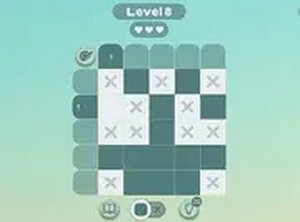
Every puzzle is a nonogram: a grid with numbers along the top and left edges. Those numbers indicate how many consecutive cells to fill in each row or column. You deduce which cells are filled and which stay empty, using logic rather than guesswork. You can also mark cells you know are empty, which helps narrow options as the grid grows more complex.
Decorating the Mouse Home
Finishing a nonogram does two things: it reveals a hidden picture and unlocks a piece of furniture or a decoration. Those items accumulate, letting you arrange and personalize a home for the mouse. The decorating side gives each solved puzzle a visible outcome beyond the grid itself, so progress feels tangible rather than abstract.
Pacing and Accessibility
There are no time limits. You can leave a puzzle, return later, and work at whatever speed suits you. Puzzles begin simply and increase in complexity, which gives newcomers room to learn the logic before harder grids appear. The controls are straightforward and the game walks you through the basics, so prior nonogram experience is not required.
Who It Suits
This is for players who like mental challenges paired with a creative, low-pressure reward. The combination of reasoning and decorating keeps the loop from feeling repetitive: solve, unlock, arrange, repeat. If you prefer puzzles without timers and enjoy seeing a project come together piece by piece, the structure here matches that preference.




Comments
0 comments