What You Actually Do
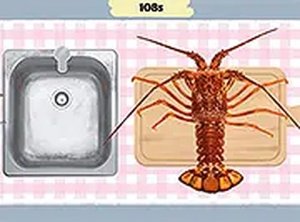
Every puzzle presents a messy kitchen scene filled with scattered objects. Your job is to examine each item and decide its correct destination—a utensil goes in a drawer, a spice jar on a rack, a plate in a cupboard. There is no timer and no score. The only feedback is the visual transformation from cluttered to organized, which happens gradually as you make each placement. Because the game never rushes you, you can think through each decision before acting.
How the Puzzles Change
Different levels use different kitchen settings to keep the sorting task from feeling repetitive. A breakfast nook might contain cereal boxes and mugs, while a baking station presents mixing bowls and measuring cups. As you progress, the number of items increases and the available space for each category becomes tighter. This gradual difficulty curve means new players can learn the basic grouping logic without frustration, while experienced players still face layouts that require careful planning.
Controls and Accessibility
Sorting Chef is built for touch screens and mouse input. You tap or click an item, then select where it should go. That two-step interaction is the entire control scheme, so there is nothing to memorize before you start. The game runs directly in a web browser with no download or installation, and it supports full-screen mode. It works on desktop computers, tablets, and smartphones, making it easy to pick up for a few minutes or settle in for a longer session.
Visual Design and Tone
The art style uses bright colors and simple shapes so each item is easy to identify at a glance. Backgrounds range from modern minimalist kitchens to rustic farmhouse settings. This clean visual approach reduces eye strain during extended play. Subtle sound effects confirm successful placements without becoming distracting. The overall tone stays light and encouraging—there is no penalty for taking your time, and no competitive element that might add pressure.





Comments
0 comments