Core Mechanics
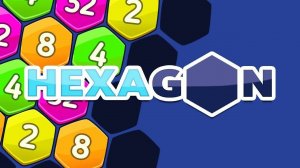
Players are presented with a series of hexagonal tiles, each marked with a number. The objective is to drag these tiles onto a hexagonal grid. When two tiles displaying the same number are placed adjacent to one another, they combine into a single tile with a higher number. This process is the primary method for clearing space and progressing toward the highest possible tile value. The game ends when the grid becomes completely filled with tiles that cannot be merged.
Strategic Depth
While the basic action of matching numbers is straightforward, success depends on foresight. Players must consider not only the immediate placement of a tile but also how it will affect future moves. Creating clusters of identical numbers can lead to chain reactions, where multiple merges occur in a single turn. This rewards players who think several steps ahead and manage the available space efficiently. The challenge increases as the board fills, requiring more precise planning.
Visual Design and Accessibility
The game features a clean, colorful interface with clearly defined hexagonal shapes and large, easy-to-read numbers. This design ensures that players can quickly assess the board state and identify matching tiles. The visual style is intended to be calm and non-distracting, supporting the game's relaxing pace. The simple layout makes it accessible to younger players and those new to puzzle games, while still offering depth for experienced enthusiasts.
Player Experience and Replayability
Each session presents a unique arrangement of tiles, ensuring that no two games play out the same way. This randomness encourages repeated play, as players try to improve their strategies and achieve higher tile values. The game provides a low-pressure environment where the only goal is to keep the board clear as long as possible. It serves as a mental exercise that can be enjoyed in short bursts or longer, focused sessions.






Comments
0 comments