Course Design and Environment
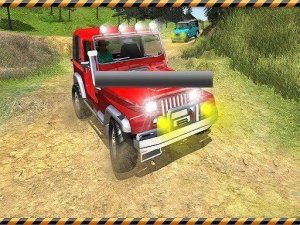
Each track presents a unique arrangement of hills, dips, and loose surfaces that require constant attention. The paths wind through natural landscapes with visible elevation changes. Drivers must read the ground ahead and anticipate how their vehicle will respond to each slope. The courses grow more complex as progress continues, introducing tighter turns and steeper grades that test spatial awareness.
Vehicle Handling and Physics
The vehicle responds to every input with noticeable weight and momentum. Accelerating too quickly on a climb can cause loss of traction, while braking abruptly on a descent may shift the center of gravity forward. Steering inputs must be smooth to maintain stability. This simulation of real-world physics creates a satisfying challenge for those who enjoy mastering mechanical systems.
Progression and Difficulty Curve
Early stages allow new drivers to build confidence with straightforward layouts. Later courses introduce obstacles that require precise throttle control and careful line selection. The difficulty increases gradually, ensuring that each new skill is practiced before it becomes essential. This structure keeps the experience engaging without becoming frustrating.
Visual Style and User Interface
The graphics present a clean, clear view of the terrain and vehicle position. Important information such as speed and tilt angle is displayed without cluttering the screen. Controls are responsive and clearly labeled, making it easy to focus on the driving task. The overall presentation supports a calm, concentrated gameplay session.
Accessibility and Family Appeal
The simple control scheme and lack of violent content make this title suitable for players of all ages. There are no time limits or competitive pressure, allowing each person to progress at their own pace. The focus on skill development rather than speed or aggression creates a welcoming environment for casual players and driving enthusiasts alike.




Comments
0 comments