Courageous Defender: Castle Escape Quest
Review
Courageous Defender: Castle Escape Quest delivers a polished platforming experience that prioritizes accessibility over complexity. The two-button control scheme feels natural on touchscreens, and the gradual difficulty increase ensures players of all skill levels can progress. The forest and castle environments are visually appealing without being distracting. While the game does not offer scoring or leaderboards, its focus on simple completion makes it a relaxing choice for casual play. The lack of violent content and the friendly art style make it a solid option for family gaming time.
About this game
Core Gameplay Loop
Players take control of a courageous character moving through side-scrolling environments. The primary actions involve tapping to jump over gaps and obstacles, or tapping down to slide beneath low-hanging barriers. Each stage presents a fresh layout of hazards that require precise timing to navigate. The goal remains straightforward: reach the endpoint of each section to advance the story.
Environment and Obstacle Design
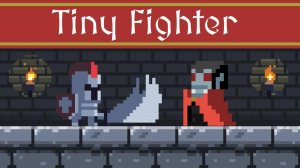
The adventure begins in a shadowy forest where twisted roots and fallen branches create natural barriers. Later stages shift to stone corridors and castle interiors with different types of blockades. Enemy characters such as orc-like figures and skeletal guards patrol certain areas, moving in set patterns that players can learn and anticipate. The visual design stays bright and non-threatening, keeping the tone light for younger players.
Progression and Difficulty Curve
Early levels introduce basic mechanics with wide gaps and slow-moving enemies. As players advance, the spacing between platforms tightens and enemy patrols become more frequent. Later stages combine multiple obstacle types in quick succession, requiring faster reactions. The difficulty increases gradually, giving players time to build confidence before facing more complex sequences.
Control Scheme and Accessibility
The control system uses simple tap inputs, making it accessible for players who may not have extensive gaming experience. A single tap makes the character jump, while a downward tap triggers a slide. This two-button approach keeps the learning curve shallow. Responsive controls ensure that failed attempts feel like a matter of timing rather than unresponsive mechanics.
Visual and Audio Atmosphere
The art style uses clean, colorful graphics with a storybook quality. Forest areas feature greens and browns, while castle interiors use stone grays with warm torchlight. Background elements like moving clouds or flickering candles add subtle life to each scene. The soundtrack uses gentle orchestral tones that shift to more urgent melodies during intense sequences, without becoming overwhelming.
Replay and Mastery
Each completed stage unlocks the next, but players may choose to revisit earlier levels to improve their performance. Mastering the timing of jumps and slides across all stages provides a sense of accomplishment. The game does not include scoring or time trials, focusing instead on simple completion as the primary goal. This design suits players who prefer a relaxed pace without competitive pressure.




Comments
0 comments