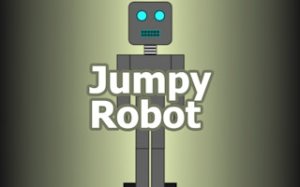
One Tap, One Direction, No Undo
Platform Climber: Reflex Arcade reduces movement to a binary choice. A tap on the left half of the screen sends the robot left; a tap on the right half sends it right. The robot climbs a vertical stack of platforms, and the only goal is to land on the next one. There is no jump button, no dash, and no mid-air correction. The input is simple, but the timing window is not generous.
Why a Single Miss Ends Everything
The game has no extra lives and no checkpoints. If the robot fails to land on a platform, the attempt is over and the climb restarts from the bottom. That rule changes how every tap feels. Players cannot trade accuracy for speed, and they cannot recover from a late or early input. The height reached is the only score, so progress is measured in clean, consecutive landings rather than in points collected or enemies defeated.
Random Layouts and the Endless Climb
Platform positions change from run to run. Because the layout is not fixed, players cannot memorize a sequence and coast through it. Each attempt asks for fresh reads of distance and timing. The endless format means there is no final level to finish; the run continues until a mistake happens. That structure pushes players to refine rhythm and reaction speed rather than learn a scripted route.
Minimal Presentation, Clear Feedback
Visually, the game keeps the robot and platforms distinct against a simple background. That contrast matters because players need to judge spacing quickly. Sound effects mark successful landings and failed attempts, giving immediate feedback without pulling attention away from the screen. There are no tutorials or complex menus. A session starts right after launch, and the controls respond quickly enough for small adjustments. The learning curve is gentle at first and steepens as the climb continues.



Comments
0 comments