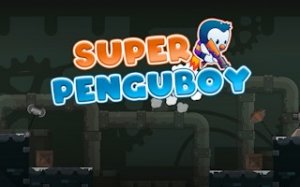
Core Platforming Loop
Players move a penguin character through horizontally scrolling stages using directional inputs and a single jump button. Each course is built from terrain-based obstacles, and the goal is to reach the end while gathering scattered items. Success comes from reading the environment and timing jumps to clear gaps or land on moving surfaces. The control scheme is deliberately minimal, so newcomers can start playing without learning complex inputs.
Arctic Zone Design
The game is divided into themed zones that change visually and structurally. Early areas use gentle slopes and open spaces, giving players room to practice movement. Later stages introduce shifting platforms and narrow pathways that demand more precise timing. Backgrounds include icy caverns, frosty forests, and starlit tundras, with color palettes that shift between zones to keep each area distinct without overwhelming the screen.
Collectibles and Completion
Two types of collectibles appear in each stage. Common currency is placed along main paths and rewards thorough exploration. Rarer items are hidden in harder-to-reach spots, giving players a reason to replay stages. Finding every hidden object in a zone unlocks additional content or bonuses, so completionists have clear goals while casual players can still finish stages without collecting everything.
Difficulty and Audience
Obstacles are forgiving, with generous landing zones and no instant failure states. This lowers frustration for younger players, while experienced platformer fans can pursue perfect runs for a self-imposed challenge. There is no time pressure or complex mechanic to manage, so the game suits short sessions or longer play. Its wholesome presentation fits family-oriented gaming libraries.




Comments
0 comments