What Players Actually Do
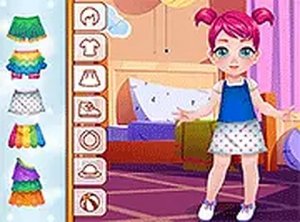
Toddie Rainbow Dress Up Fun gives young children a simple goal: dress a little character and decorate her world. The screen presents clothing options, starting with a pink rainbow top and matching bottoms. After choosing an outfit, players move to accessories such as a donut purse or hair clips. Finally, they decorate the background by placing items like a unicorn pillow or a friendly companion. Every choice is made by tapping or dragging, which suits little fingers.
Why There Are No Timers or Scores
Most children's games push for speed or accuracy. This one removes both. Without a countdown or a point total, kids can spend as long as they want on each decision. That design supports exploration: a child might try every top before settling on one, or rearrange the background repeatedly. The absence of failure states also means no frustration, which matters for the toddler and preschool age group.
How the Controls Support Fine Motor Skills
Dragging and tapping are the only inputs. Those actions require hand-eye coordination and a steady finger, but the game does not punish imprecise movements. A child can drop an item and try again. Over time, repeated drag-and-drop practice can help build the small muscle control that early childhood educators associate with school readiness. The game does not claim to teach specific academic skills; its value is in free creative play.
What Makes the Visual Style Work
Bright colors and cute items are the main draw. The rainbow theme ties the clothing options together, and the accessories and background decorations extend the palette. For young children, that consistency makes the screen easy to read without overwhelming them. Parents looking for a calm, low-pressure activity can hand over a tablet or laptop without worrying about ads, downloads, or time limits.



Comments
0 comments