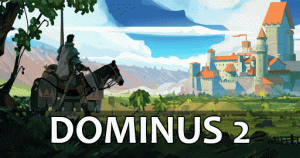
From One Castle to an Empire
Every match begins with a single castle and a limited pool of resources. Your first decision—whether to invest in a village for steady income or train troops immediately—sets the tone for the rest of the game. Villages generate the funds needed for both military and economic growth, so neglecting them early often leads to a stalled offense later. The map is your workspace, and where you place each structure matters as much as when you build it.
The Economy-Army Tug-of-War
Troops win battles, but villages pay for them. Spend too much on soldiers and your income dries up; spend too little and rivals overrun your territory. This tension defines every match. Experienced players learn to read the flow of a game—when to push for map control and when to fortify what they already hold. Because opponents act in real time, there is no fixed build order that works every time. Adaptation is the real skill.
Real-Time Matches, Real Opponents
Multiplayer encounters unfold live against players worldwide, and no two sessions play out the same way. A rival might rush early, forcing you to defend, or turtle behind walls while expanding quietly. You must scout, react, and adjust. Attack routes and timing matter: a well-planned strike can take a castle, while a careless one leaves your own holdings exposed. Defending is not passive—it is an active part of the strategy.
Easy to Learn, Hard to Master
A clear tutorial in the how-to-play menu walks new players through the basics, making the game approachable for quick sessions. The strategic depth—resource allocation, territorial planning, and live decision-making—supports longer campaigns for those who want to refine their approach. Whether you have ten minutes or an hour, the core loop of build, balance, and battle remains engaging.




Comments
0 comments